


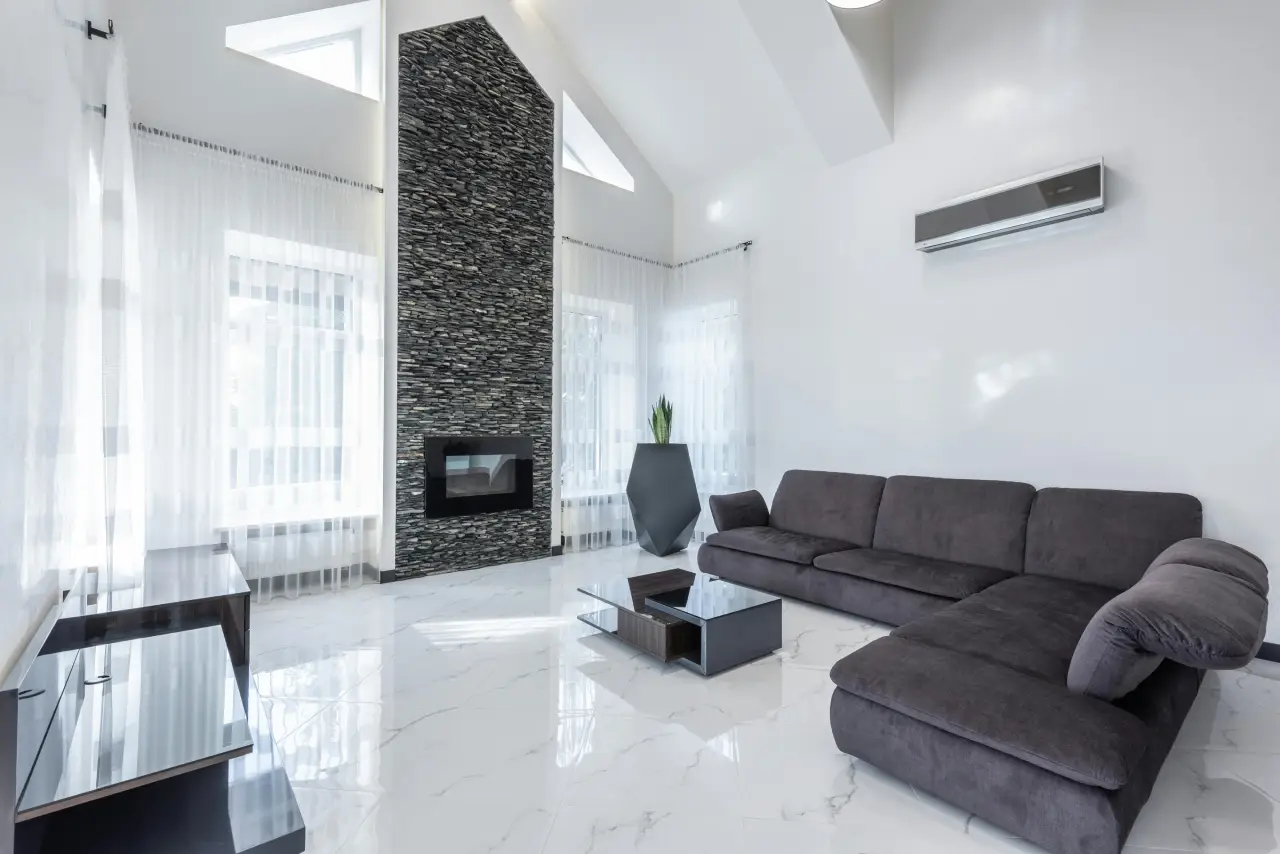
Air Conditioning – Modern Necessity or Environmental Luxury?
Air conditioning has transformed the way we live, work, and travel, shaping modern lifestyles. It has improved comfort in climates that would otherwise be challenging to endure. In the face of increasing global average temperatures, the demand for cooling solutions has surged, creating an ironic situation where we must ask: is air conditioning a modern necessity, or an environmental luxury contributing to climate change?
The Case for Air Conditioning as a Necessity
For many people, particularly in regions with extreme temperatures or very high humidity, air conditioning isn’t just about comfort; it’s crucial for health and safety. Heatwaves are becoming more common and severe due to the changing climate, posing a significant risk to human health—especially for vulnerable groups like the elderly, children, and individuals with underlying health conditions.
According to the World Health Organization, heat-related illnesses such as heatstroke and dehydration can be fatal if not managed promptly. For many, especially in densely populated urban areas, air conditioning can be lifesaving during extreme weather events.
In addition to physical health, air conditioning supports mental well-being. Excessive heat can cause discomfort, irritability, and a lack of focus, negatively impacting productivity. This is especially true in workplaces, where high indoor temperatures can reduce employee efficiency and morale. In hospitals, schools, and senior care facilities, proper air conditioning is critical not only for comfort but also for health management, infection control, and overall occupant well-being.
In countries where AC is widely available, such as the United States and parts of Asia, many industries have thrived due to regulated climate control. In some cases, air conditioning is clearly not just a convenience but an enabler of our modern lifestyle.
The Effect of Air Conditioning on the Environment
Despite the benefits, air conditioning has a significant environmental footprint. Traditional AC units rely on refrigerants, often hydrofluorocarbons (HFCs), which are potent greenhouse gases that contribute to global warming if not properly managed. Air conditioners consume a considerable amount of electricity, much of which is still generated from fossil fuels. According to the International Energy Agency (IEA), energy demand for space cooling is projected to triple by 2050. This creates a feedback loop: higher temperatures increase the need for cooling, which in turn exacerbates climate change, driving temperatures even higher.
Sustainable Cooling Solutions
With growing awareness of these issues, the industry is shifting towards more sustainable solutions. Innovations in energy-efficient systems, such as inverter-based air conditioners, reduce energy consumption by adjusting cooling output to match room requirements. Renewable energy-powered AC systems are also gaining traction. For example, solar-powered AC units can provide cooling without requiring additional coal-powered grid electricity.
Emerging refrigerants with low global warming potential (GWP) are another area of focus. The Kigali Amendment to the Montreal Protocol, an international agreement aimed at reducing the use of HFCs, is set to play a critical role in reducing the environmental impact of AC.
A Balanced Approach
Ultimately, whether AC is a necessity or a luxury depends on the context. In regions where extreme heat and high humidity pose health risks, AC is indispensable—even when considering the environmental costs. Working towards more sustainable cooling technologies is part of the balance required. As consumers and policymakers become more conscious of these issues, a middle ground can be found, allowing us to enjoy the benefits of AC without compromising the planet’s future.
By advocating for energy-efficient technologies and responsible use, we can ensure that AC remains a modern necessity without becoming an unsustainable environmental burden.
Fourways Mauritius is a reliable supplier of high-quality air conditioning in Mauritius. By choosing an energy-efficient air system from us, you contribute to the global effort to reduce energy consumption. Adopting one of our state-of-the-art solutions allows individuals and businesses to play their part in mitigating climate change.
Contact us for an energy-efficient solution today.
< Back to Articles