


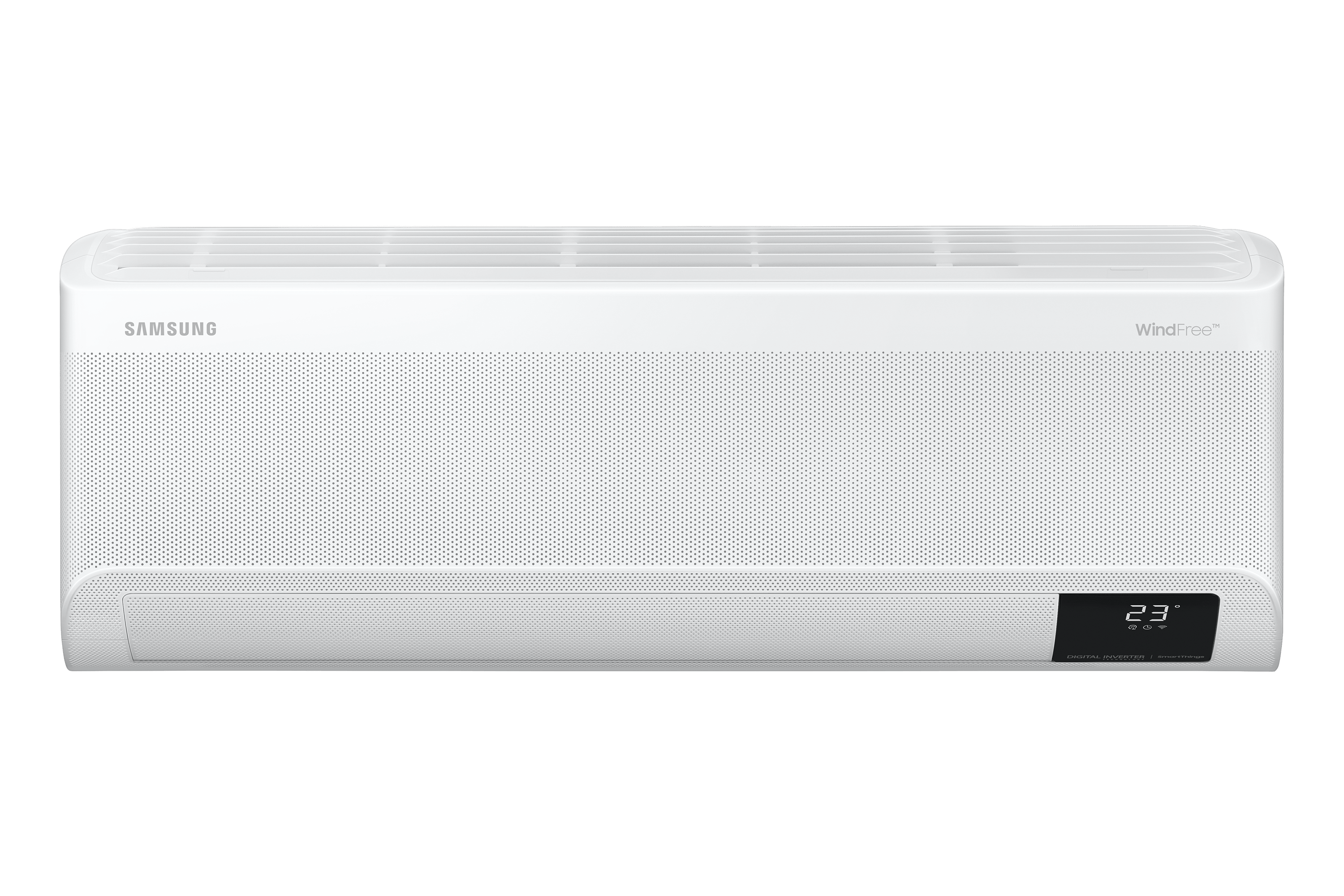
The Origins of the Air Conditioning System and How It Operates
Air conditioning systems are crucial for maintaining comfortable indoor environments, particularly in regions with extreme temperatures. They work by removing heat from a space and transferring it outside, thereby cooling the indoor air.
In 1902, Willis Haviland Carrier, an American engineer, presented the first modern air conditioning system, launching an industry that would fundamentally improve the way we live, work and play. His invention revolutionised various industries, including manufacturing, healthcare, and hospitality, by providing a means to control indoor temperature and humidity levels effectively. Carrier's innovation laid the foundation for the widespread adoption of air conditioning systems in both residential and commercial settings.
The Operating Principle of an Air Conditioning System
Air conditioning systems function by extracting the heat from the air inside your home and expelling it to the outside of the building into the atmosphere. The air which has been cooled by the removal of the heat is circulated back into the room, lowering its overall temperature. The underlying principle is based on the transformation of liquid into gas – a process that absorbs heat.
The Mechanics of Air Conditioning Systems
Air conditioner systems work according to thermodynamics, known as the refrigeration cycle, which involves the repeated compression, condensation, expansion, and evaporation of refrigerant gas to absorb and release heat.
Inside the unit, various components manage the state, pressure, and temperature of the refrigerant as it transitions between warm gas and cold liquid.
The compressor is the heart of an air conditioning system. It compresses the refrigerant gas, raising its temperature and pressure.
The hot, pressurised refrigerant travels to the condenser coils, where it releases heat to the outside air and condenses it into a liquid.
An expansion valve regulates the rate of flow of the refrigerant into the evaporator.
The cold liquid refrigerant enters the evaporator coils, where it absorbs heat from the indoor air and evaporates back into a gas.
Fans are used to circulate the air over the evaporator and condenser coils, facilitating heat exchange.
The Importance of Air Conditioning Systems
Air conditioning systems provide relief from extreme heat and humidity creating a more pleasant and liveable indoor environment for occupants. Perhaps most importantly, they help maintain indoor air quality by filtering out pollutants, and allergens, and reducing humidity, thereby lowering the risk of respiratory issues and heat-related illnesses.
Comfortable indoor temperatures enhance productivity and the concentration levels of staff in workplaces and learners in educational institutions.
Air conditioning is vital for preserving sensitive materials such as pharmaceuticals and perishable goods, which can degrade in high temperatures. Sensitive electronic equipment is protected from overheating and malfunctioning. In some environments, such as hospitals and data centres, maintaining precise temperature and humidity levels is critical for the safety and functionality of equipment and processes.
Engage with the Industry Leaders
Fourways is a reputable supplier of top air conditioning and heat pump brands, offering comprehensive solutions for residential and commercial settings. Our diverse product range caters to various environments, including homes, offices, schools, hotels, and more, with innovative technologies tailored to modern consumer needs.
We are committed to exceeding client expectations by providing premium products and comprehensive support services. We deliver eco-friendly and energy-efficient solutions for all heating and cooling requirements, from small-scale units to large commercial systems and water heating solutions for both residential and commercial use. For anything to do with air conditioning, contact us.
< Back to Articles